
Castles, Conquests and Creativity: Year 7 Take on 1066
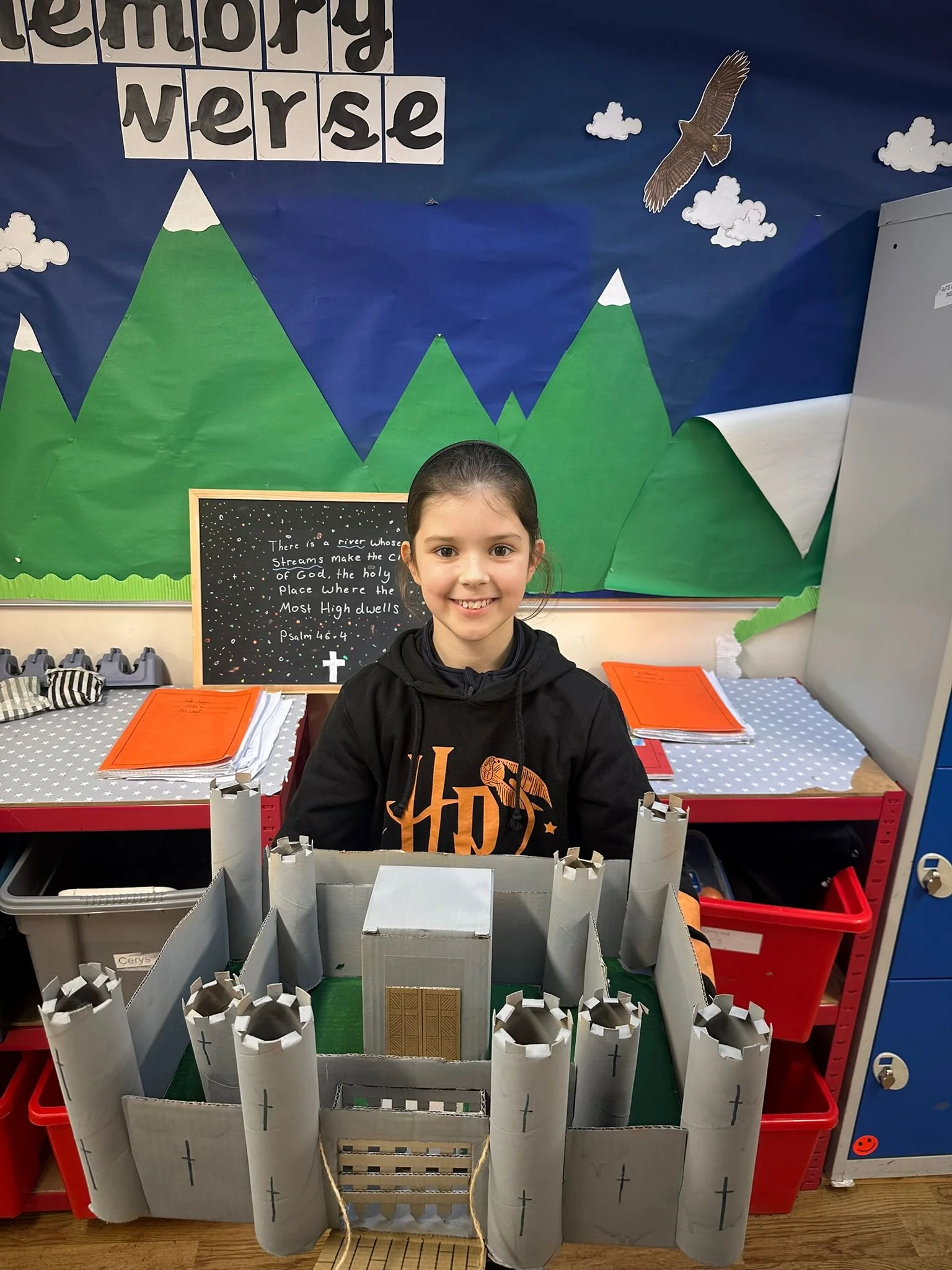
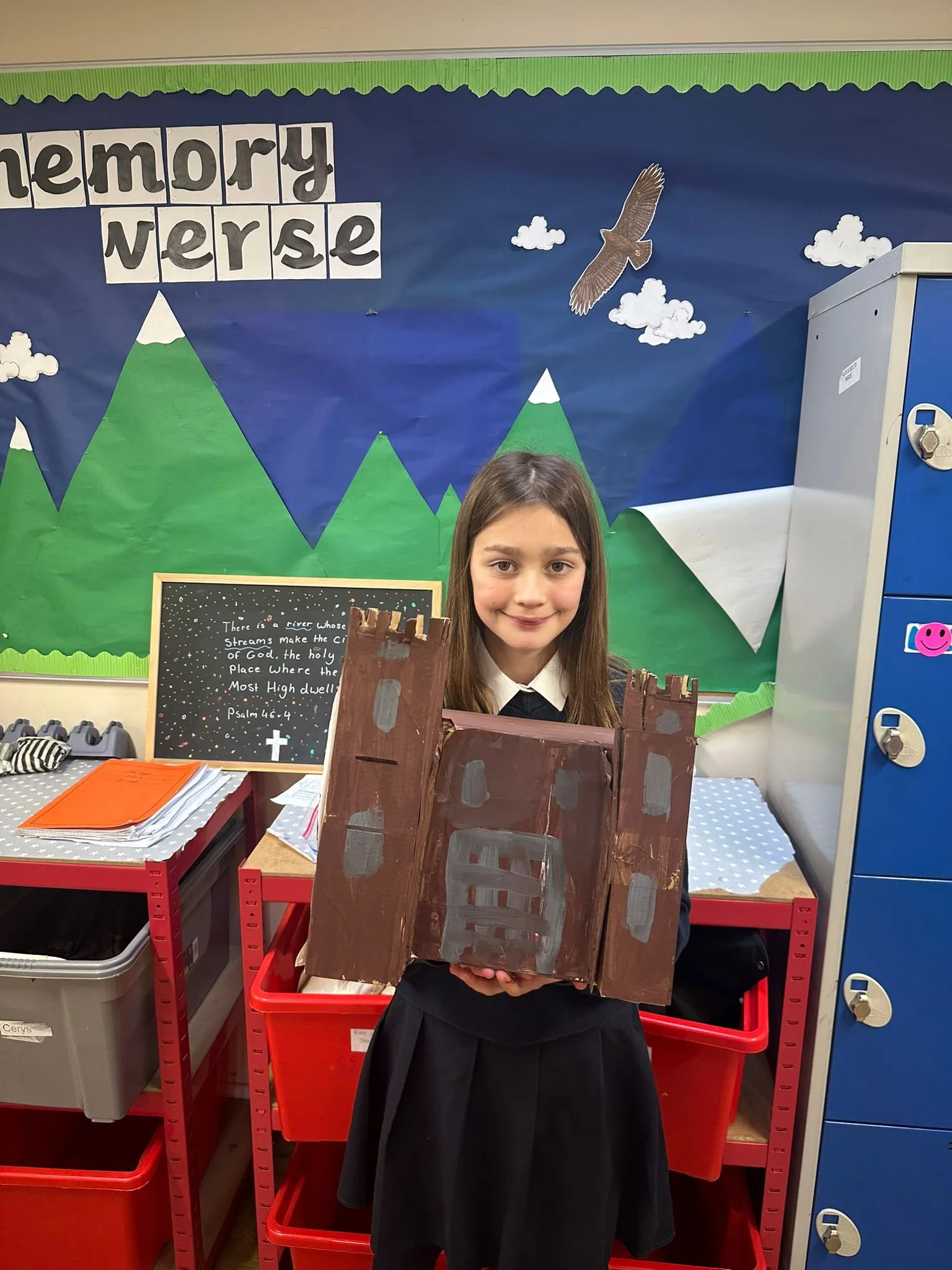
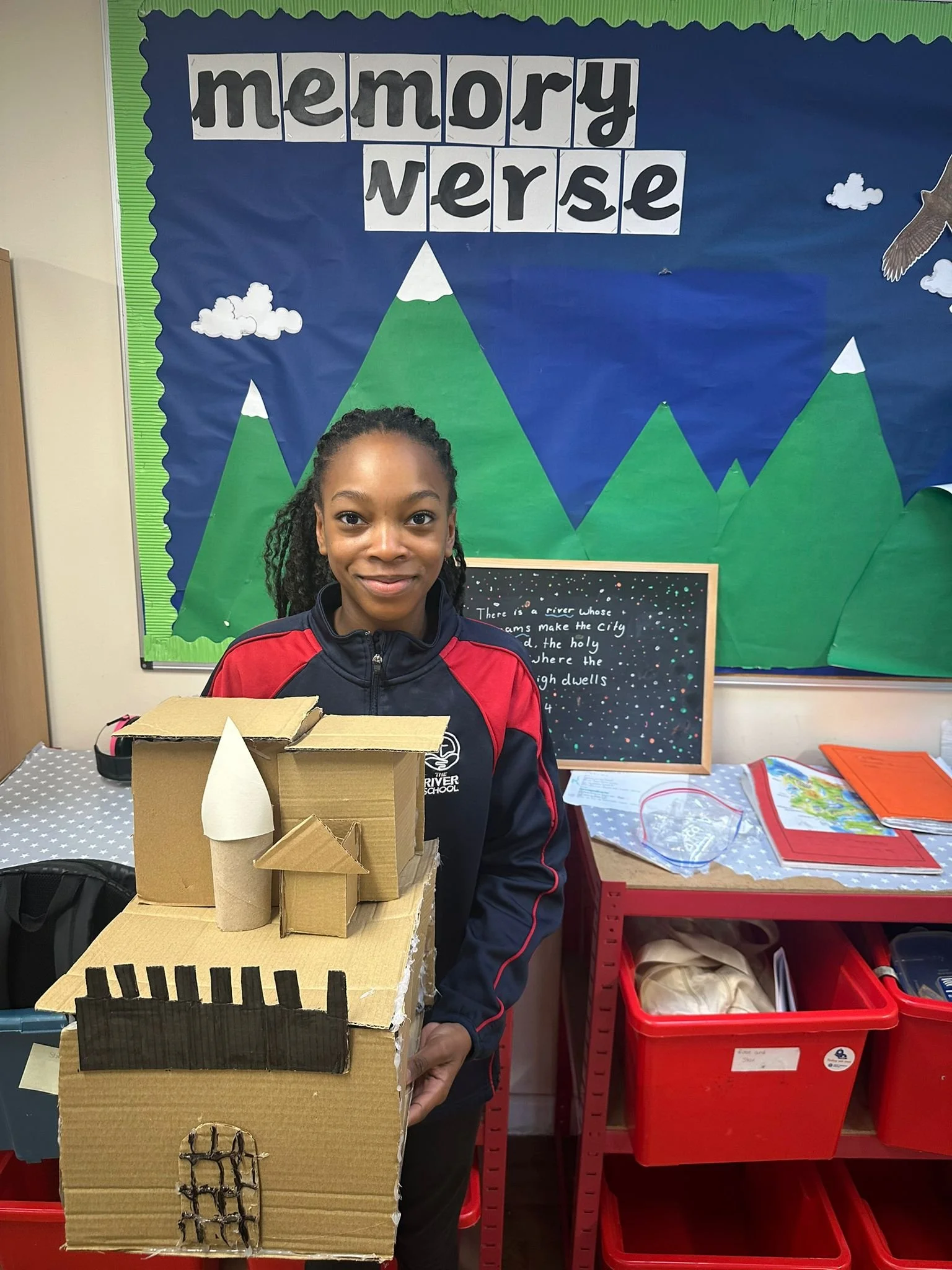
Last term, our Year 7 history class enjoyed stepping back nearly 1,000 years to explore one of the most significant turning points in British history: The Norman Conquest of 1066. Led by their teacher, Mr Holliday, pupils didn’t just learn about history from textbooks - they brought it to life through creativity, discussion, and hands‑on learning.
Understanding the Norman Conquest
The Norman Conquest marked the beginning of a new era in England. When William, Duke of Normandy, defeated King Harold at the Battle of Hastings, he faced the enormous challenge of ruling a country that did not see him as its rightful king. This made the question of control central to his reign — and it became a key focus of Year 7’s studies.
Pupils explored the different methods of control William used to secure his power, including:
Rewarding loyal supporters with land
Introducing Norman laws and governance
Replacing Anglo‑Saxon leaders
The Domesday Book
And most visibly of all, building castles
Why Castles Mattered
Castles were more than impressive buildings, they were powerful symbols of Norman authority. Built quickly and strategically across England, they allowed William to control local populations, protect key routes, and intimidate opposition.
Year 7 learned about the evolution of castle design, from early wooden motte‑and‑bailey castles to later stone keeps, considering why these structures became increasingly sophisticated over time. They also examined how castles were defended (and attacked) during the medieval period.
A Creative History Challenge at Home
To bring their learning together, pupils were set an exciting Christmas holiday project:
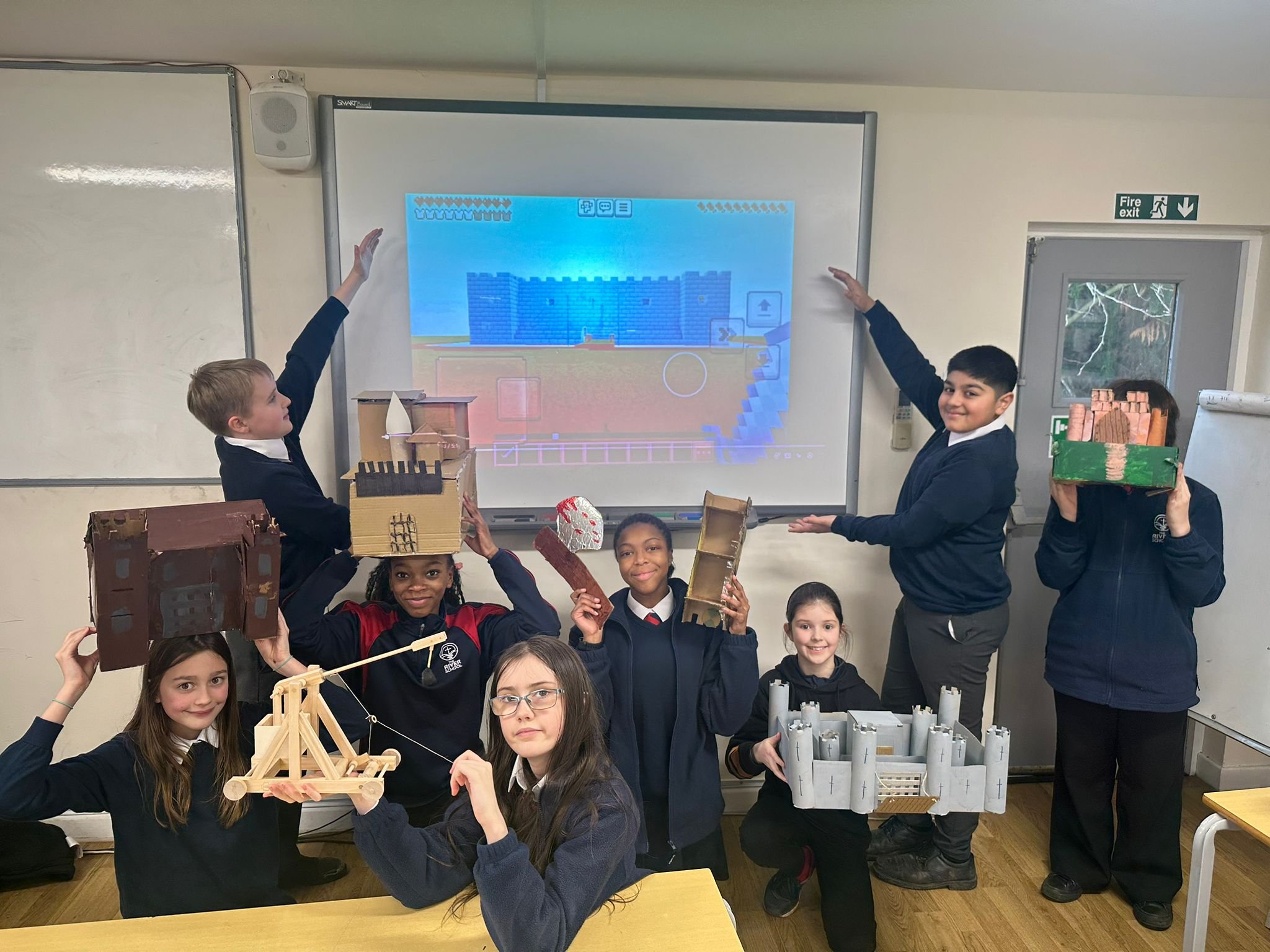
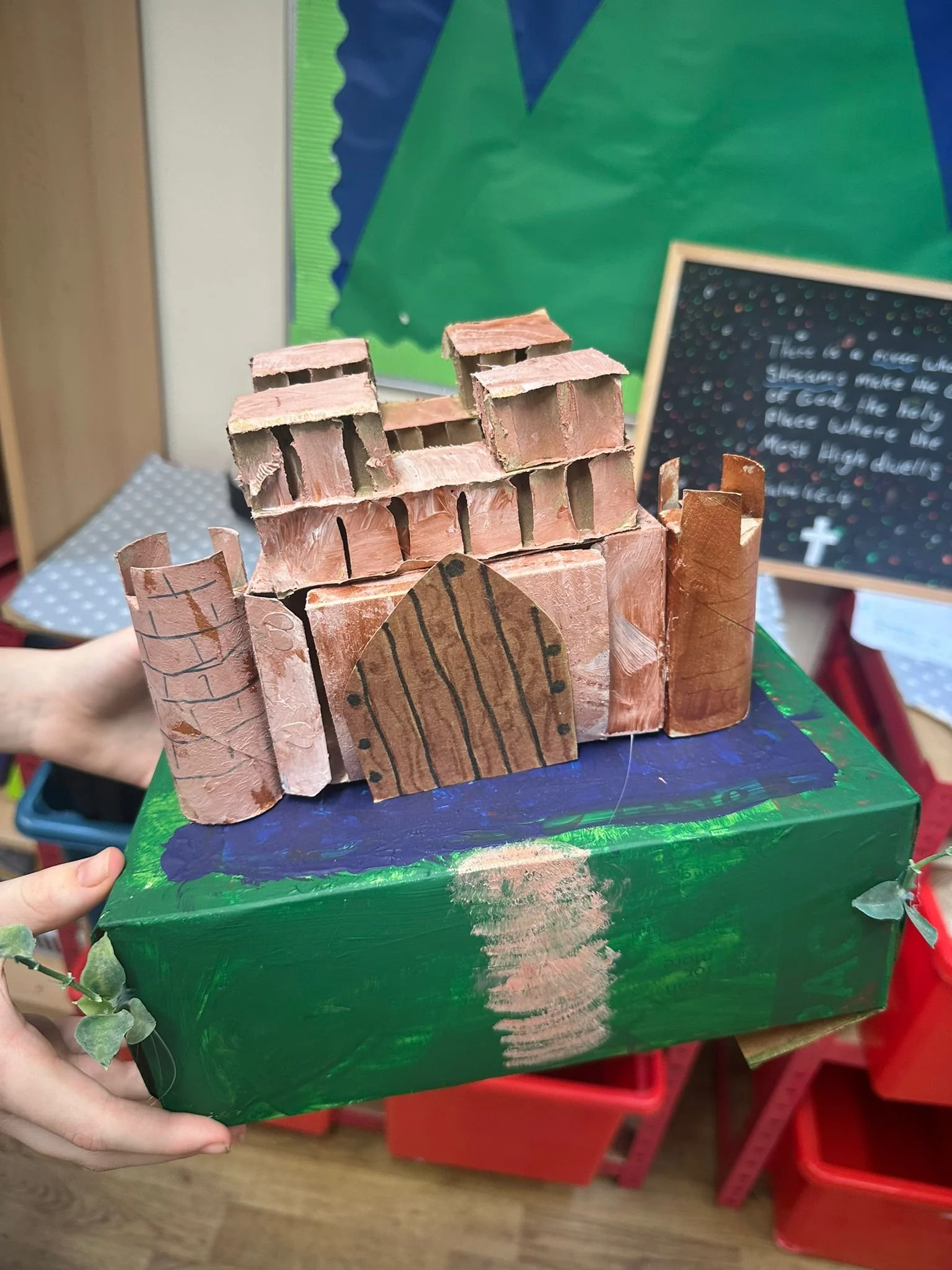
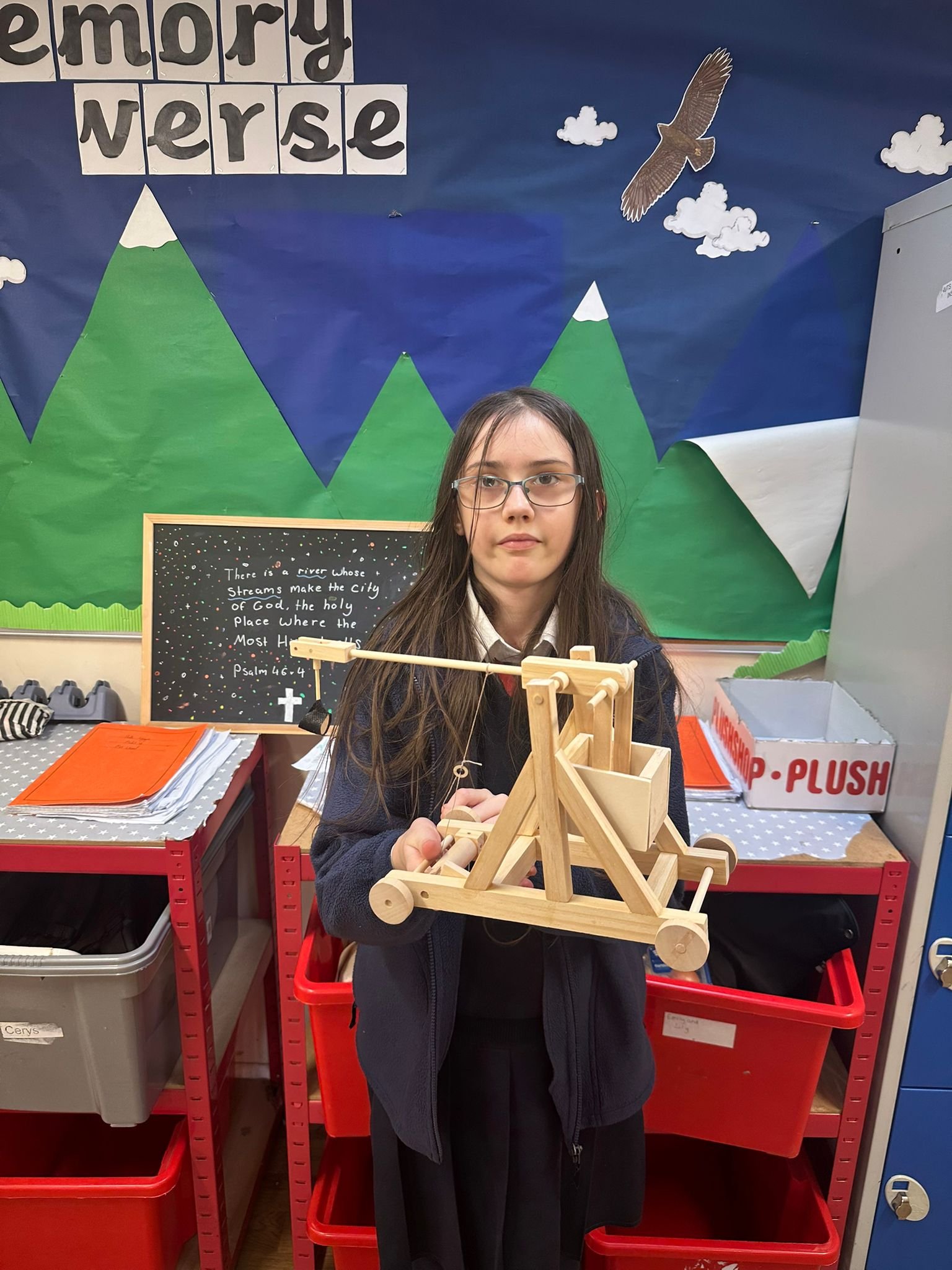
Design and build a Norman castle, or a method of attacking one.
The results were fantastic.
Some pupils chose to construct detailed stone castles, complete with towers, walls, gates, and keeps. Others took a different approach, creating siege engines and attack methods, exploring how medieval armies attempted to overcome these formidable defences.
Using a wide range of materials and plenty of imagination, pupils demonstrated not only a strong understanding of historical concepts but also creativity, problem‑solving, and perseverance.
Learning Through Comparison and Discussion
Back in the classroom, pupils thoroughly enjoyed comparing their castles, sharing ideas and explaining the choices they had made. Why was a gatehouse positioned there? How would this castle be defended? What weaknesses might attackers exploit?
These discussions helped pupils deepen their understanding of cause and consequence, power, and change over time - essential historical skills that go far beyond memorising dates and names.
Why Studying History Matters
Studying history helps pupils make sense of the world they live in today. By learning about events like the Norman Conquest, students begin to understand how power is gained and maintained, why systems of government develop and how innovation, conflict, and belief shape societies
At the River School, we believe that learning can be powerfully enhanced when knowledge is reinforced through creativity, allowing pupils to explore ideas actively and joyfully. This project gave Year 7 the opportunity to connect historical understanding with creative expression…and they clearly loved every part of it.
The castles not only look impressive, but they also represent thoughtful engagement and genuine enjoyment of history.
We’re incredibly proud of the effort shown by all the pupils and look forward to seeing where their historical studies take them next.